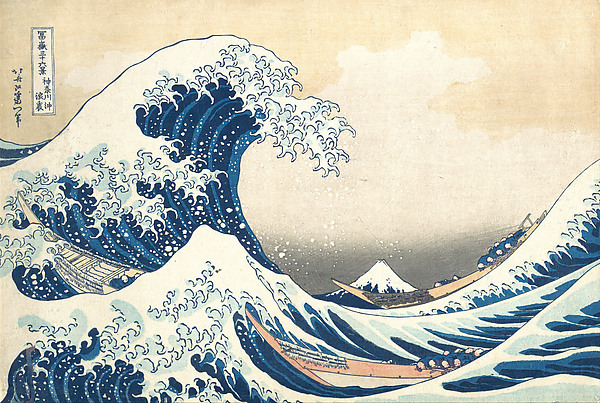
Sequencing The Great Wave
My research into Hokusai's The Great Wave involves analysing the subtle differences between all the known original impressions held in collections worldwide. By examining how the woodblocks wore down over time, specifically tracking the degradation of fine lines in the mountain and sea, I have been able to establish the chronological sequence of their production.
This technical analysis provides a physical timeline for Hokusai's most famous work, revealing how the woodblock evolved through thousands of printings and providing new diagnostic tools for museums to authenticate and date their own impressions.
Hokusai’s ‘The Great Wave’: tracking the woodblock’s evolution
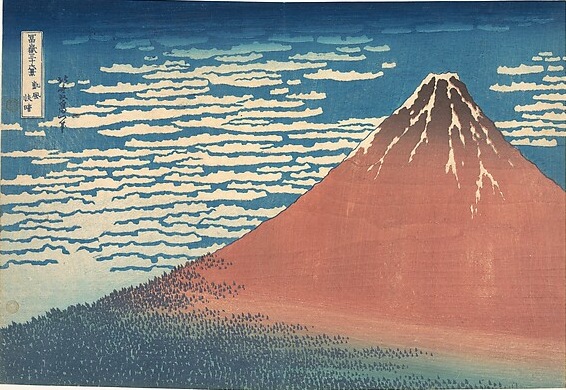
Red Fuji: five states of an icon
Most recent research (2025): Applying the same methodology to Hiroshige’s The Plum Garden at Kameido, I examined 82 surviving impressions of this celebrated Edo landscape, establishing the first systematic production chronology of a Hiroshige print. Read the MDPI paper →
The science of preservation
The dark side of the gallery: protecting sensitive prints
Why are Japanese print exhibitions often shrouded in darkness? In this video, I explain the chemical vulnerability of 18th- and 19th-century organic dyes. Exposure to even moderate light can cause irreversible fading and physical degradation of the paper and pigments. My work involves calculating "light budgets" to ensure these fragile masterpieces survive for centuries to come.
Both of my working lives are, in the end, about looking carefully.